Here is an update on the 2026 BC Nature and Old-Growth Platforms
Read moreWhere do BC’s major political parties stand on nature and old-growth forest protection?
As we approach a BC election, where do the political parties stand on protecting nature?
Read moreCBC News: The province is proposing a ‘working forest’ model — but what does that mean?
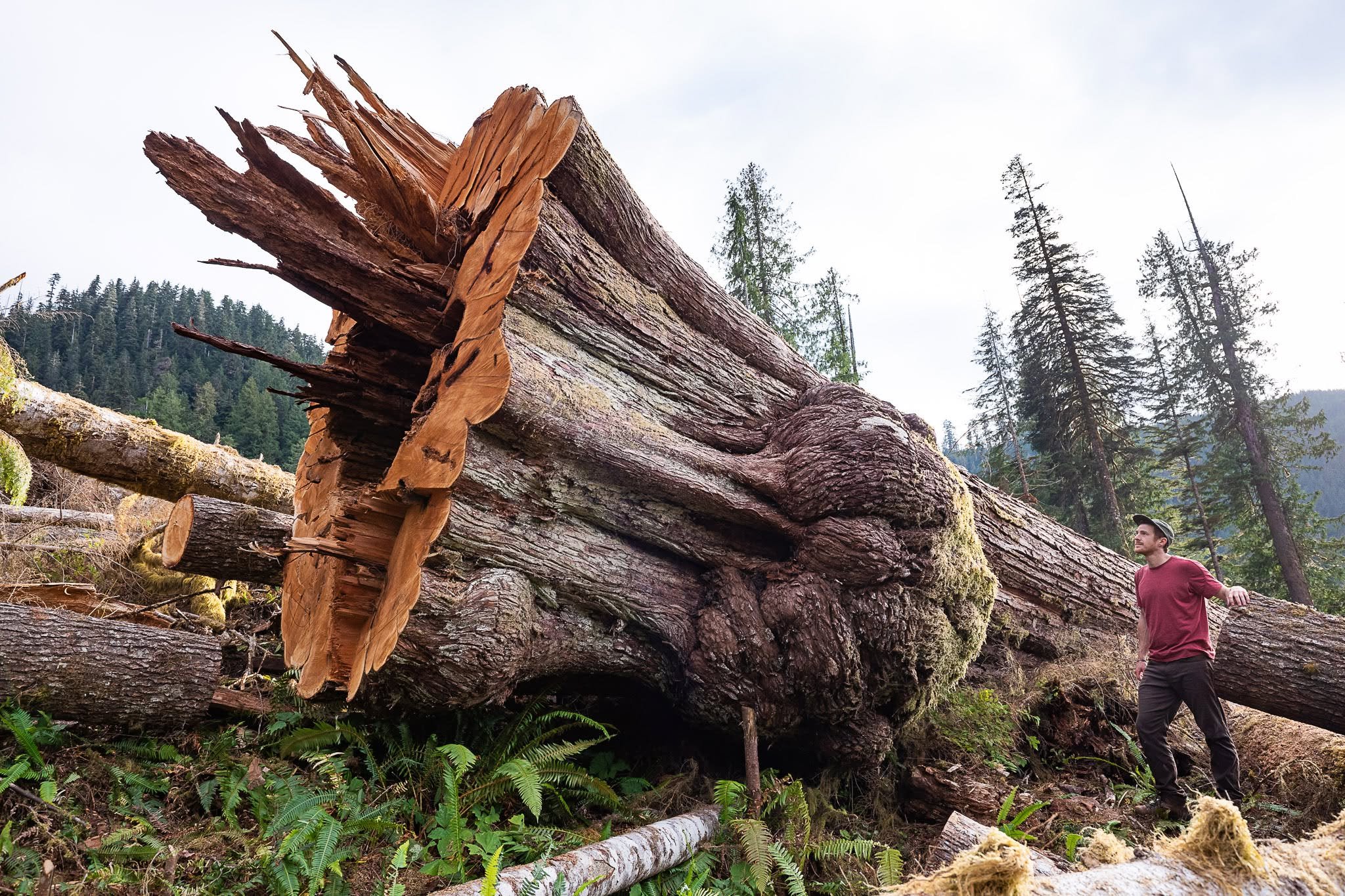
Advocates and experts are raising concerns over ‘no-net-loss’ approach after B.C.'s Ministry of Forests announced it would begin piloting its new Working Forest Landscape Model.
Read moreSEND a MESSAGE: Stop the "Working Forest" Proposal (anti-forest conservation zones) of the BC NDP Government!
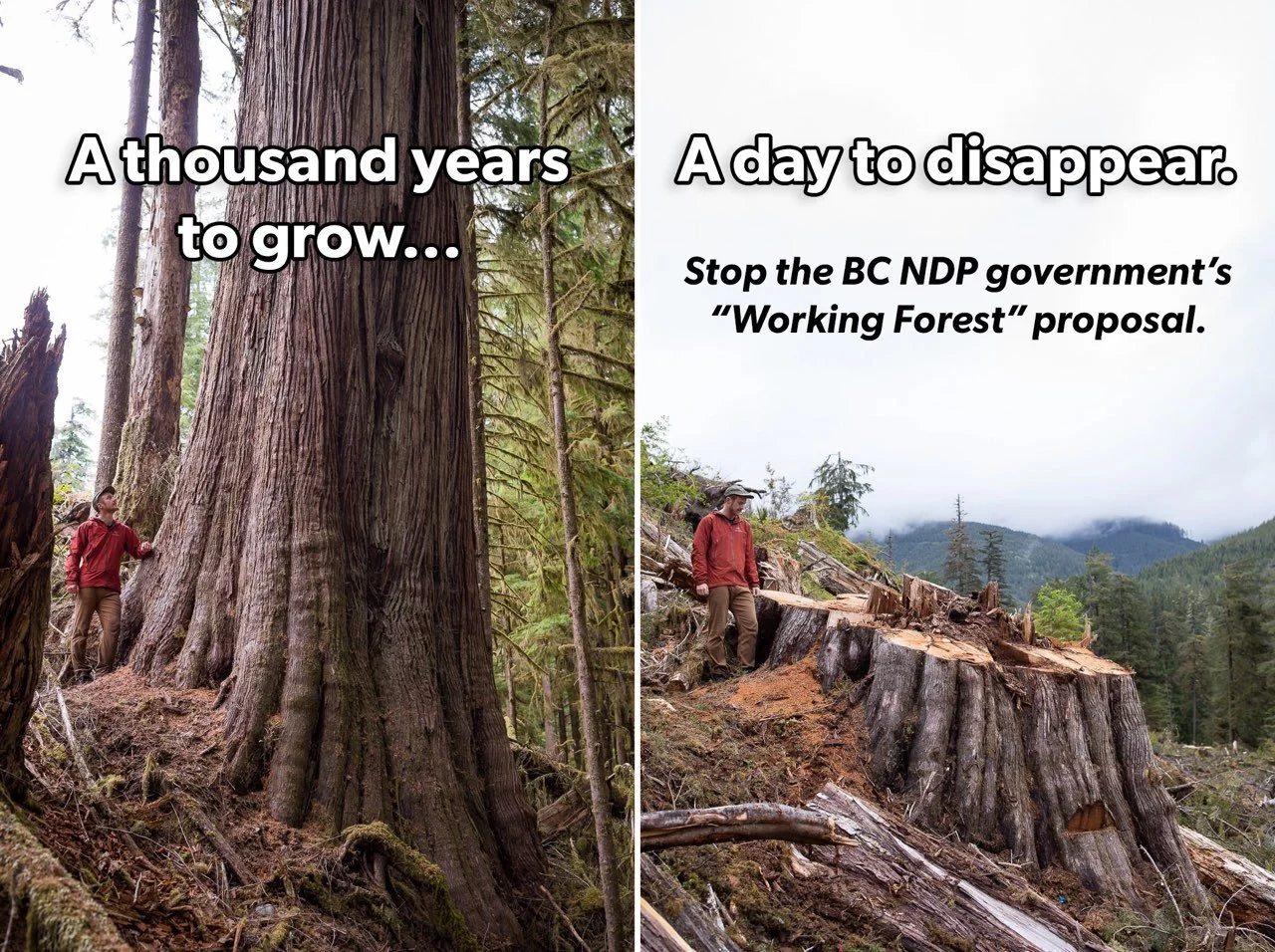
The BC NDP government is moving to lock-in much of BC's forests as guaranteed logging zones (anti-forest conservation zones), under a so-called “Working Forest” designation that would include logging of BC's magnificent but increasingly scarce old-growth forests.
Read moreMedia Release: BC NDP Government revives Working Forest from the Dead
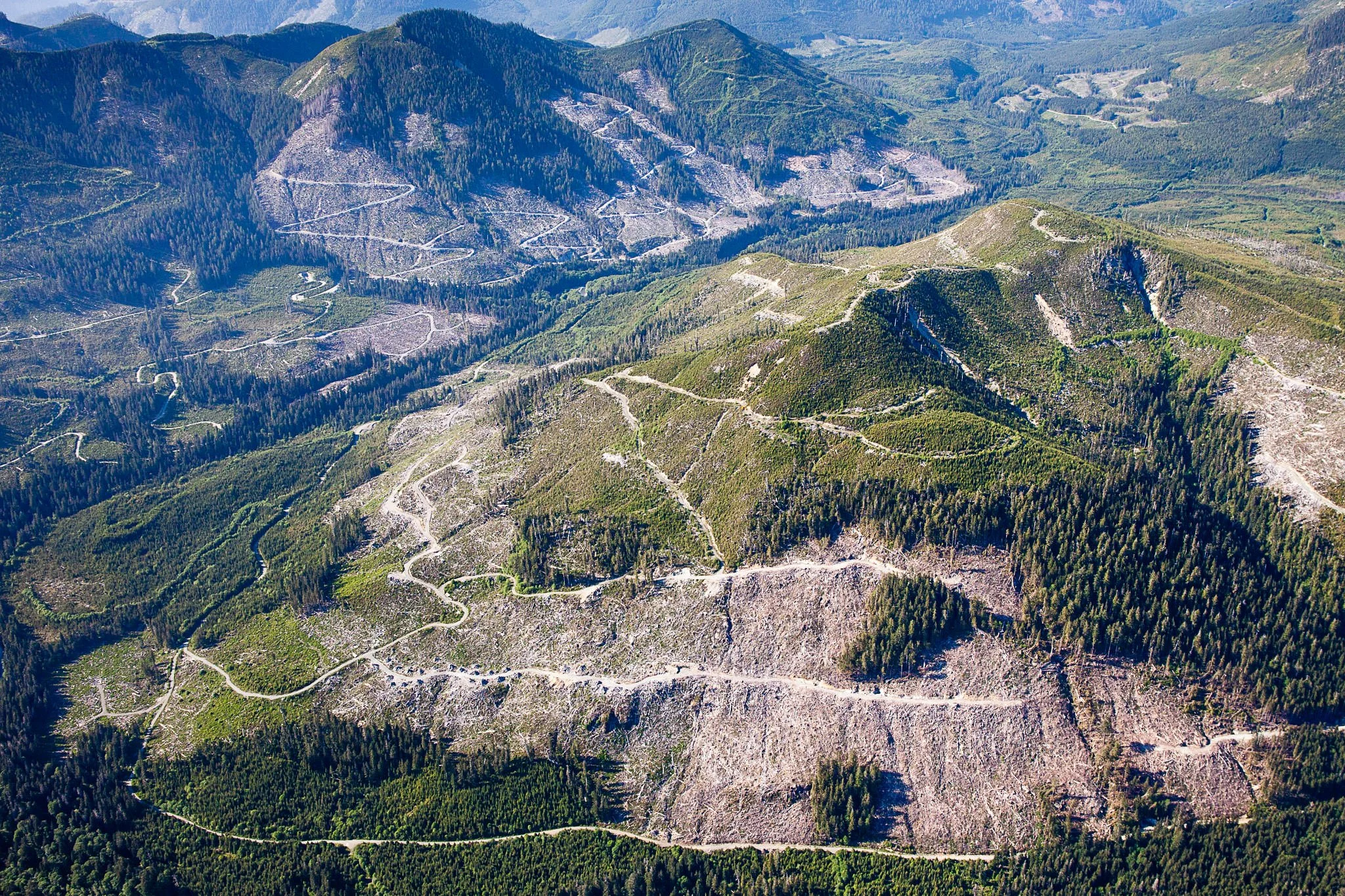
The BC NDP government elaborated last week on its plans to lock most of the richest forests in BC into guaranteed logging zones (anti-forest conservation zones), under a so-called “Working Forest” designation that would include old-growth logging.
Read moreCBC News: Cathedral Grove winner of The Search for B.C.'s Best Roadside Attraction
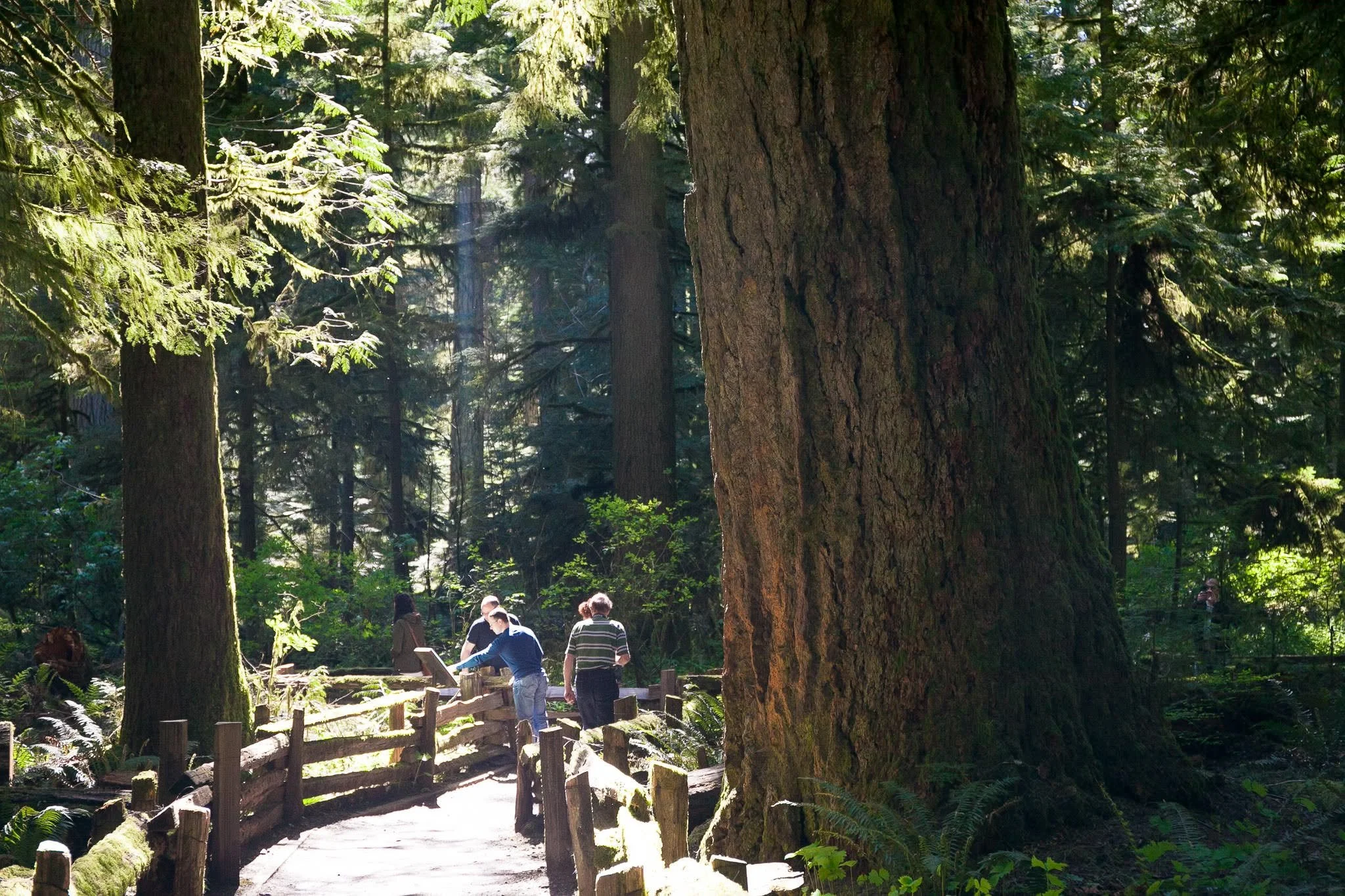
For Ken Wu, what makes Cathedral Grove great isn't just the ecology, it's what the forest represents to the more than 500,000 people who visit each year.
Protected Areas Enhance Nearby Real Estate Values
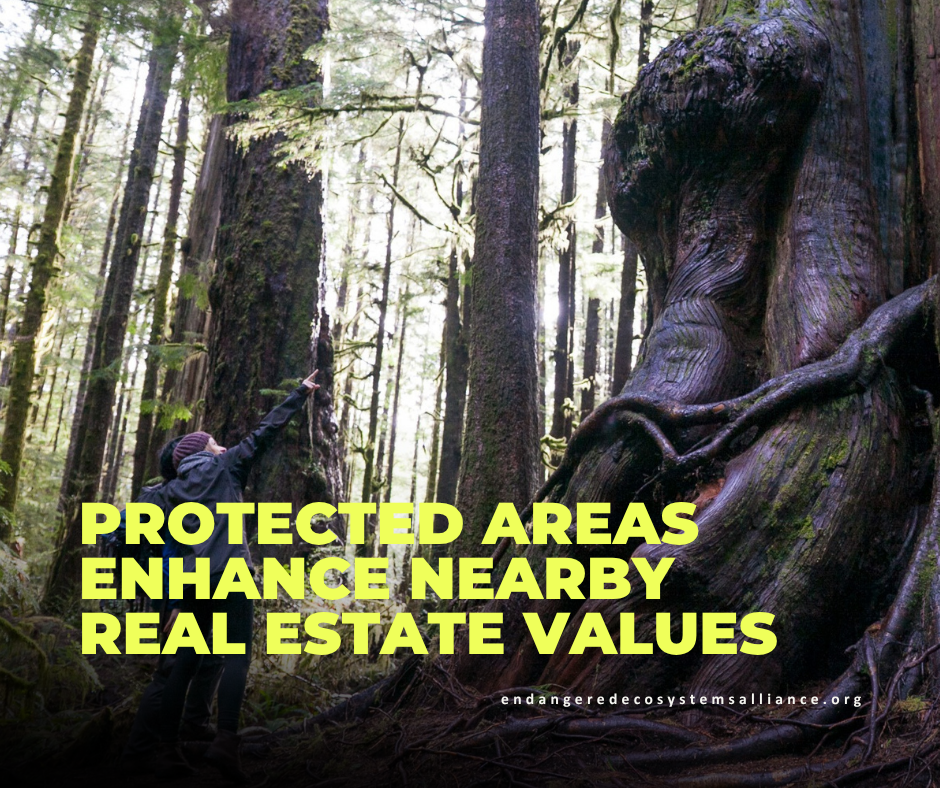
Protected areas are not only conservation assets—they can also be economic assets that make communities more attractive places to live, work and invest.
Across North America, research shows that proximity to parks, trails, forests and waterfronts can increase nearby property values and housing demand. In British Columbia, 56% of residents say access to trails and outdoor recreation amenities influenced where they chose to live.
By protecting the natural amenities people value, conservation areas can help stimulate housing investment and construction in nearby communities, and strengthen local economies.
Read moreConservation Areas Support Non-Timber Forest Products
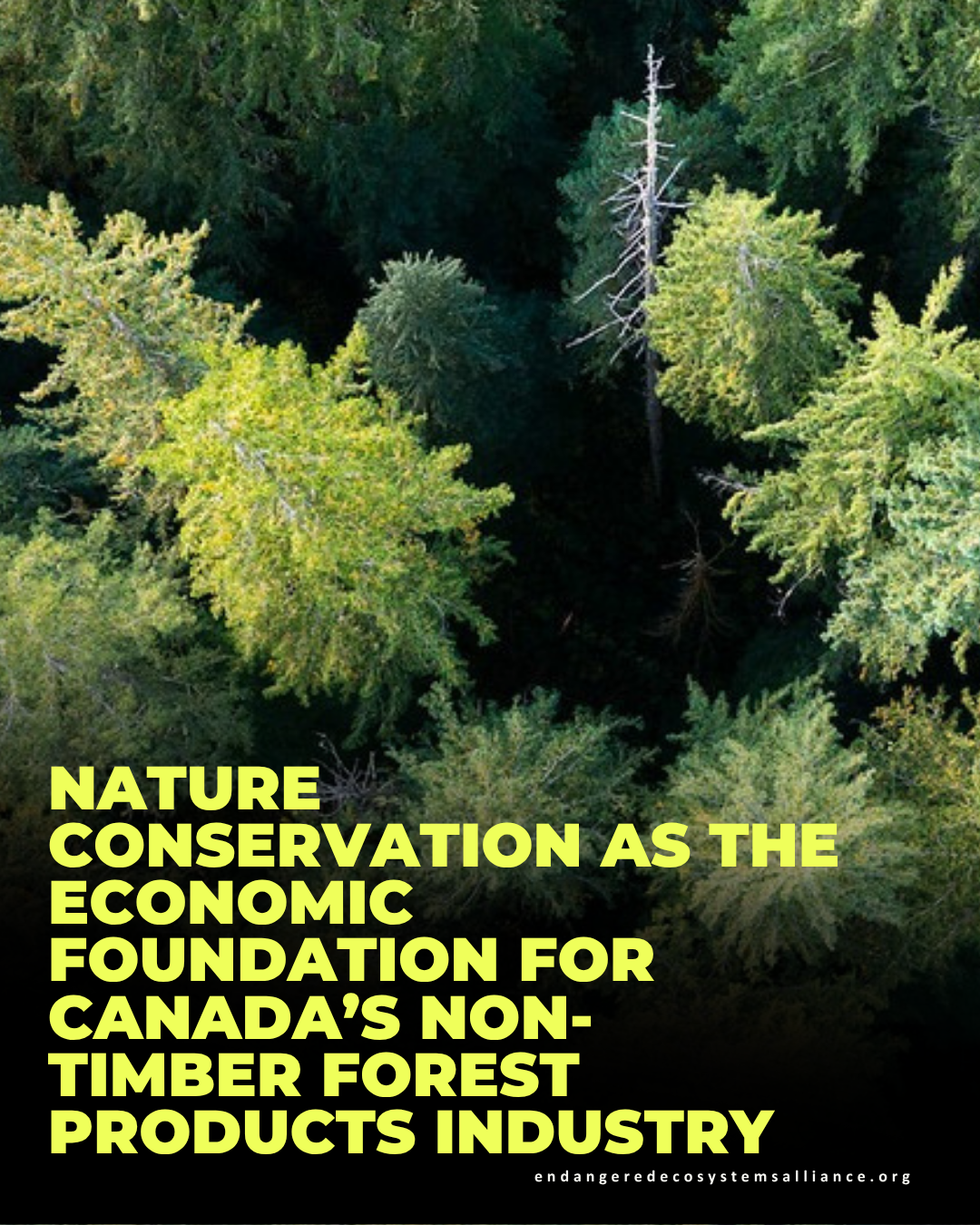
Protected and conserved areas support much more than timber—they help sustain a diverse economy built around wild foods, mushrooms, medicinal plants and floral greens. These products—known as non-timber forest products (NTFPs)—generate hundreds of millions of dollars in economic activity across Canada.
By protecting forests and the species within them, conservation areas help maintain reliable access to non-timber forest products over the long term. In this way, nature conservation not only protects ecosystems—it helps support vibrant, resilient local economies.
Protected Areas Attract Skilled Labour and Investment

Protected areas attract more than visitors—they help attract and retain skilled workers, new businesses, and investment to their regions. Research in the American West has found that communities with significant protected public lands tend to experience stronger growth in jobs and income than comparable communities with less protected land. Across Canada, access to nature and scenery is becoming an increasingly important factor in where people choose to live, work, and start businesses. As people increasingly choose communities based on access to nature and quality of life, protected areas are helping support vibrant, resilient local economies.
Read moreThe Economic Benefits of Protected Areas

The tired, old narrative in much of Canada is that protected areas destroy rural economies and jobs. The reality, based on decades of research and the experiences of surrounding communities, shows the opposite to be true: major protected areas attract, support and foster more diversified, resilient and prosperous economies.
Read moreNature is Vital to Our Health and Wellness

Nature is vital to our health and well-being in more ways than we often realize. From physical activity and stress reduction to improved mood, focus, sleep, immune function, and even greater microbiome diversity, time spent outdoors supports both mental and physical health.
Read more2026 Spring Fundraiser!

Hello Endangered Ecosystems Alliance friends!
Please help us reach our year-end fundraising goal of $75,000!
We’ve grown and accomplished much because of thousands of supporters like YOU since our inception six years ago. Coming up, we have huge tasks ahead and need your support to expand our strength.
Read moreVictoria Buzz: Advocates warn proposed legislation changes could put BC’s old-growth forests at risk

The Ancient Forests Alliance (AFA) are concerned that legislation changes in BC could put endangered old-growth forests at risk. The Province’s own logging agency, BC Timber Sales (BCTS), may see an increase in logging rates with the changes brought about by Bill 14, the Forest Statutes Amendment Act.
Read moreMedia Release: Province Expands BC Timber Sales Logging Powers Without Addressing Old-Growth Protection
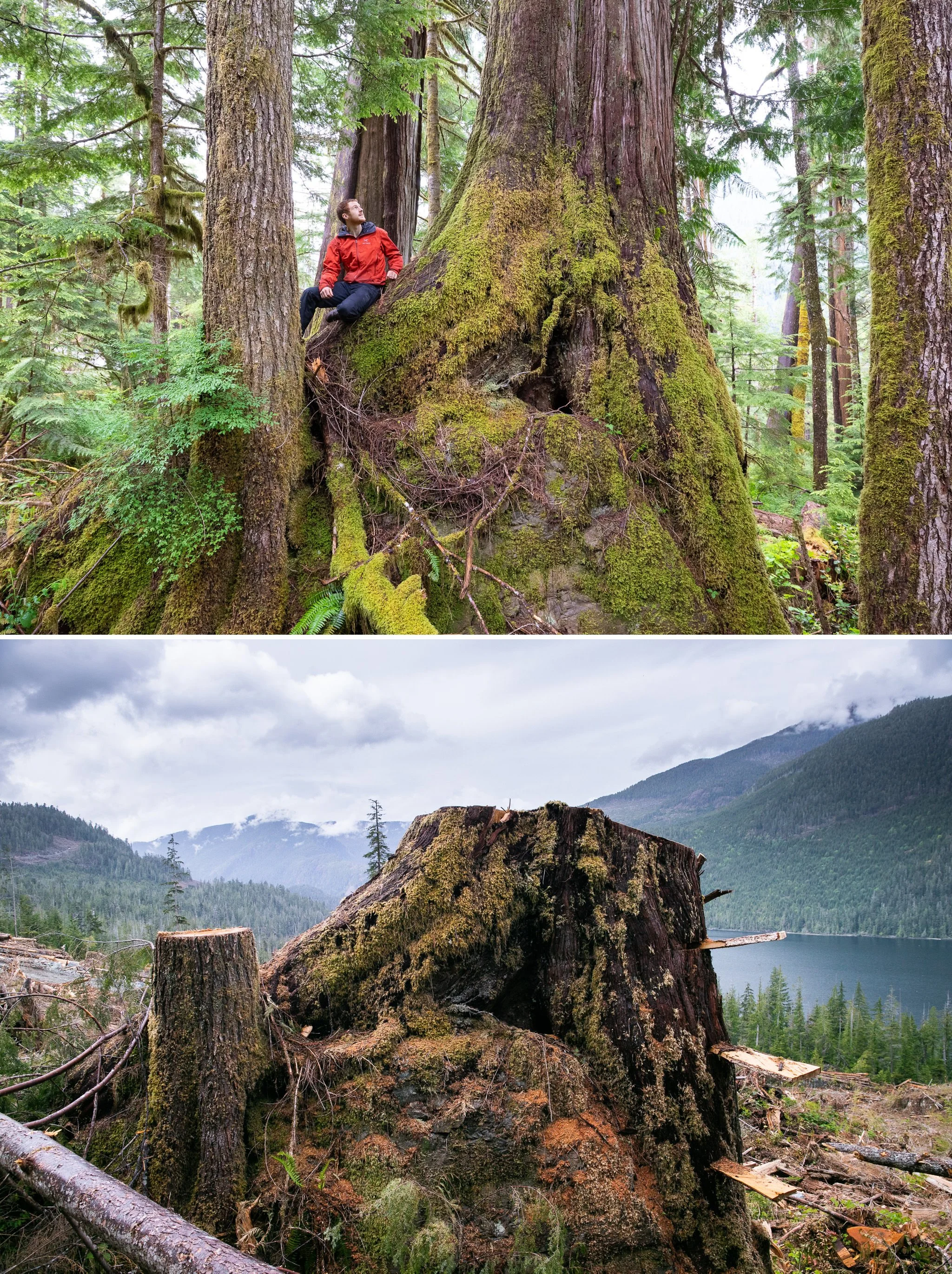
Ancient Forest Alliance photographer and campaign director TJ Watt stands beside an ancient western redcedar before and after it was cut down by BC Timber Sales in the Nahmint Valley near Port Alberni in Hupačasath, Tseshaht, and Yuułuʔiłʔatḥ First Nation territory.
New legislative changes to BC Timber Sales (BCTS) – the government’s own logging agency – increase logging rates while failing to protect the most at-risk old-growth ecosystems. Ancient Forest Alliance (AFA) and Endangered Ecosystems Alliance (EEA) warn that the changes could be setting the stage for logging in conservation reserves under the guise of wildfire risk reduction.
Read moreMedia Release: Canada’s New Nature Strategy: The Good, the Bad and the Ugly
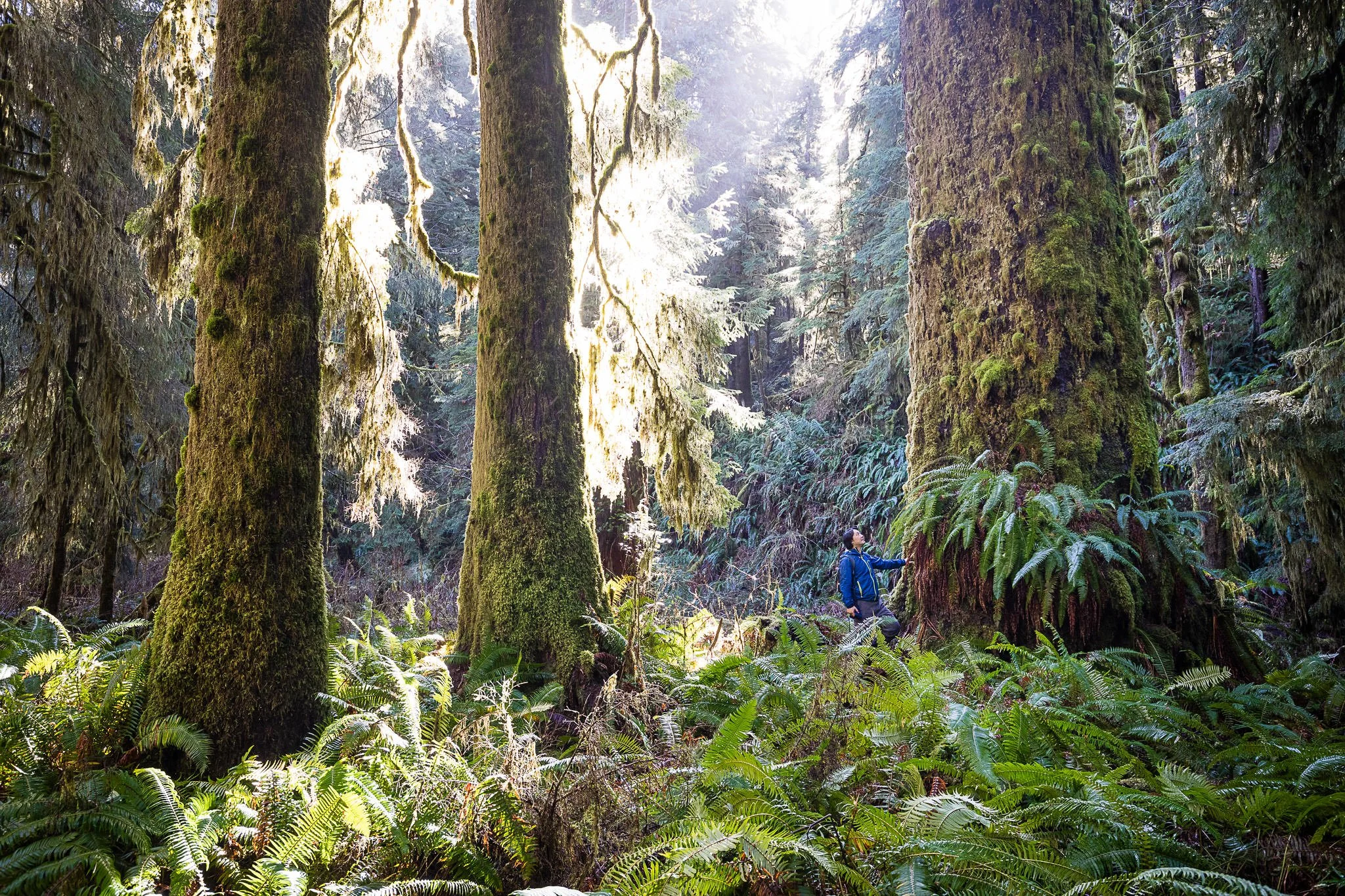
Photo: A mossy old-growth Sitka spruce forest on Vancouver Island filled with ferns. Well over 90% of the valley bottom old-growth forests in BC have been logged. Credit to TJ Watt.
The Endangered Ecosystems Alliance, a national conservation group working to protect native and endangered ecosystems across Canada, is providing an initial reaction to today's federal announcement of its “A Force for Nature: Canada’s Strategy to Protect Nature” plan, with some happiness but also consternation. A more detailed analysis will ensue in the coming days.
Read moreMedia Release: Conservationists Call on Carney Government to Make Good on Promised Support for Nature Protection in Canada
Photo: A mossy old-growth Sitka spruce forest on Vancouver Island filled with ferns. Well over 90% of the valley bottom old-growth forests in BC have been logged. Credit to TJ Watt.
The Endangered Ecosystems Alliance (EEA), a Canadian conservation organization that reaches nearly 200,000 people across its social media platforms, is calling on the federal Liberal government to make good on their promise to support the protection of nature in Canada.
Read moreStatement: Budget 2026 Shortchanges Nature Protection and Sustainable Forestry Transition At a Critical Time for British Columbia

BC’s Budget 2026, released on Tuesday, fails to provide the funding needed to secure lasting protection for endangered ecosystems and at-risk old-growth forests in the province, while prioritizing industrial resource extraction.
Read moreTimes Colonist: B.C. forestry review seeks overhaul, moving focus away from harvest volumes

VANCOUVER — A government-commissioned review of forestry in British Columbia is calling for the system to be razed and rebuilt with a focus on trust and transparency about the state of the province's forests, shifting away "from managing harvest volumes to managing lands."
The final report from the Provincial Forestry Advisory Council released Monday says trust has been eroded by inconsistent forest data controlled largely by industry and government.
It calls for the creation of a transparent forest inventory based on laser measurements with a new independent body to manage the information.
Excerpt:
Endangered Ecosystems Alliance executive director Ken Wu said there were useful recommendations around improved mapping and data, but it didn't address the need to quickly transition to a value-added, second-growth industry.
The statement said the recommendation for regionalized forest management, with diminished provincial authority, risked jeopardizing the protection of ecosystems.
"This approach opens up the possibility of the timber industry, which deeply pervades much of rural B.C., to undermine conservation objectives and widen logging loopholes within conservation reserves, like Old-Growth Management Areas and Wildlife Habitat Areas, under the guise of regional ‘community decision-making’ and ‘wildfire risk management,'" Ancient Forest Alliance campaigner Issy Turnill said in the statement.
"This could be a Trojan horse to open up protected areas to commercial logging.”
Read the full article HERE.
Global News: Reaction to Report into Future of B.C. Forestry
Endangered Ecosystems Alliance (EEA) Executive Director Ken Wu joined Global News Hour to comment on the Provincial Forestry Advisory Council's recommendations to overhaul B.C.’s broken system of forestry.
Media Release: Provincial Forest Advisory Council Misses the Mark on the Problems and Solutions Regarding BC’s Forestry Crisis
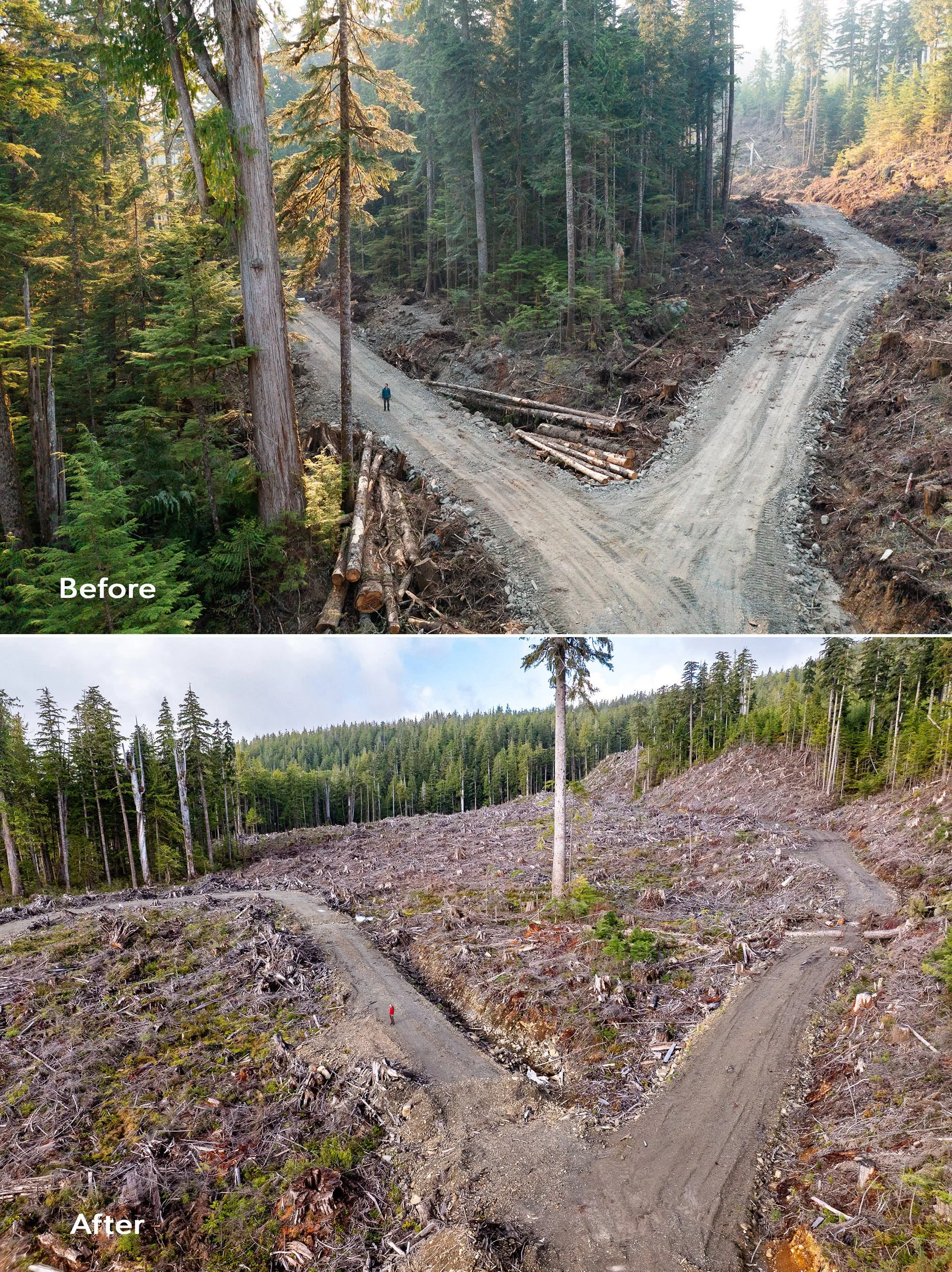
Today, the Provincial Forest Advisory Council (PFAC), an independent Council tasked with providing recommendations to the BC government on advancing forest stewardship, released its report “From Conflict to Care: BC’s Forest Future”. The Ancient Forest Alliance (AFA) and the Endangered Ecosystems Alliance (EEA) strongly criticize the report for failing to put forward the essential recommendations needed to protect endangered old-growth forests and modernize BC’s forest industry.
Read more